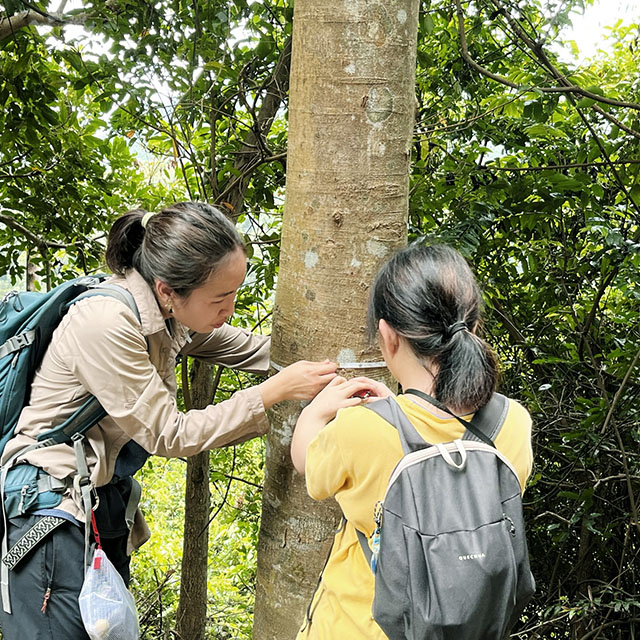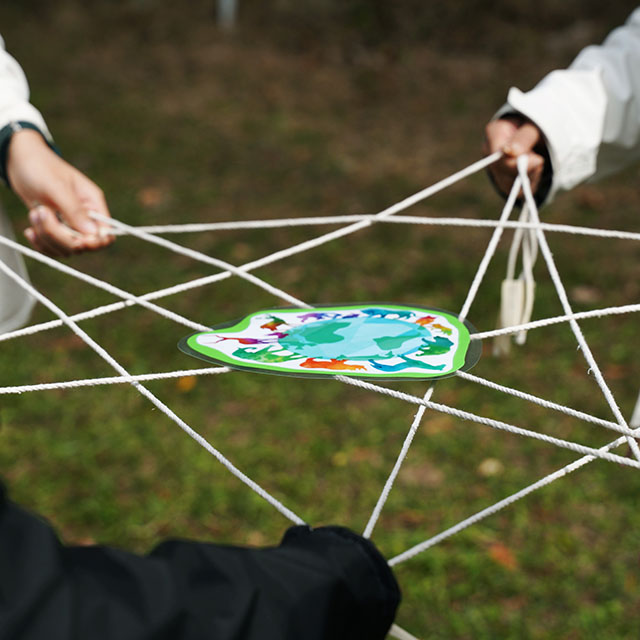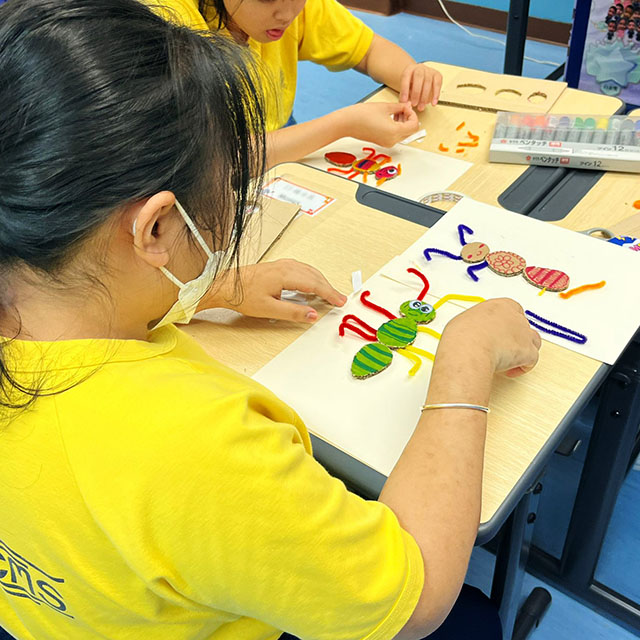
Hong Kong's students with Special Educational Needs (SEN) often face significant challenges in traditional classroom settings, which frequently lack the multi-sensory and experiential environments they need to thrive. Current school-based interventions, while valuable, are predominantly indoor-based and clinically focused. This approach often fails to address the sensory, social, and self-regulatory needs that can be met through structured contact with nature.
On the other hands, studies show that nature-based interventions can improve attention and reduce stress for students with Attention-Deficit/Hyperactivity Disorder (ADHD) 1,2, and enhance social skills, sensory processing, and engagement for students with Autism Spectrum Disorder (ASD) 3,4.
To directly address this equity gap, our project transitions away from purely indoor methods to leverage nearby nature as a cost-effective, accessible, and therapeutic setting for holistic development, by co-designing, piloting, and disseminating an evidence-based, replicable intervention model.